Tritrichomonas Foetus Infection in Cats


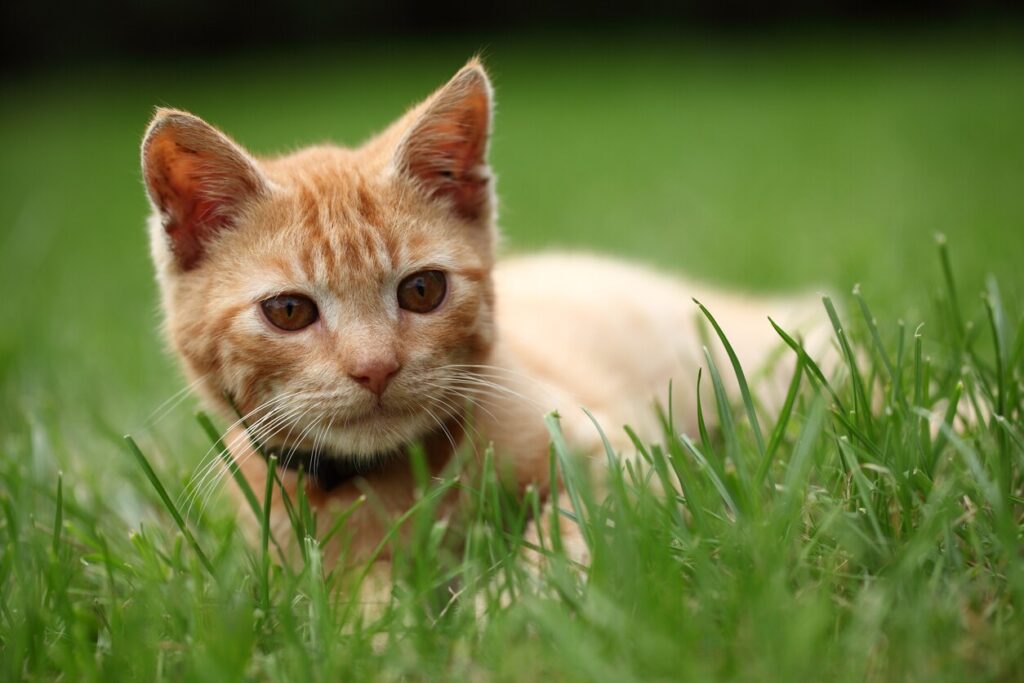
Tritrichomonas foetus infection is a parasitic disease that causes chronic large bowel diarrhea in cats, especially kittens and young cats in multi-cat households.
If your cat has persistent, foul-smelling diarrhea that doesn’t improve with typical treatments, Tritrichomonas foetus (often shortened to T. foetus) may be the cause. While this condition is rarely life-threatening, it requires veterinary diagnosis and management.
Key Takeaways
- Tritrichomonas foetus is a protozoal parasite that causes chronic large bowel diarrhea in cats, especially in young felines and those living in multi-cat environments.
- Cats become infected by ingesting contaminated fecal material, often during grooming or through shared litter boxes.
- Diagnosis requires specialized fecal testing, and treatment typically involves prescription medication from a veterinarian.
- Some cats can remain lifelong carriers, so proper treatment, hygiene, and environmental management are important to reduce transmission.
Summary
Tritrichomonas foetus is a microscopic parasite that infects the large intestine of cats and commonly causes chronic large bowel diarrhea.
This parasite most often affects young cats and kittens. It is frequently suspected when diarrhea persists or returns after standard treatments for more common causes have been used.
Although the chronic diarrhea caused by T. foetus is often considered more of a frustrating, long-term condition than a life-threatening emergency, it should not be ignored. Diarrhea can have many causes and may lead to dehydration and metabolic disturbances.
Contact your veterinarian promptly if your cat’s diarrhea lasts more than a few days or is accompanied by additional concerning symptoms
Symptoms
The most common symptom of Tritrichomonas foetus infection in cats is chronic large bowel diarrhea.
Some cats—especially older cats in otherwise good health—may not show noticeable symptoms. However, most affected cats develop diarrhea that has an extremely foul odor and often contains mucus and/or bright red blood.
Cats with T. foetus infection typically maintain a normal appetite and do not vomit or lose weight. Additional signs may include:
- Flatulence
- Straining to defecate
- Fecal dribbling or incontinence
- Inflammation of the anus
- Increased urgency and frequency of defecation
- Stool color may vary but is often otherwise normal in appearance aside from mucus or blood
Causes
Tritrichomonas foetus infection is caused by a single-celled, pear-shaped protozoan parasite that infects the gastrointestinal (GI) tract of cats.
This organism exists in only one life stage, called a trophozoite. Once inside the small intestine and colon, the trophozoite reproduces and is shed in the feces. Other cats become infected by ingesting contaminated fecal material, often during grooming or through shared litter boxes and close contact in group settings.
Tritrichomonas foetus infection has been identified worldwide and occurs more commonly in multi-cat environments such as catteries, breeding facilities, and shelters.
While all cats are susceptible, young cats and kittens are at higher risk. Purebred cats also have a higher reported incidence, likely due to increased exposure in breeding environments.
Diagnosis
Veterinarians diagnose Tritrichomonas foetus infection using specialized fecal testing.
Fresh fecal samples that are free of litter contamination are required for accurate results. Several diagnostic methods may be recommended:
- PCR (polymerase chain reaction): This is the most sensitive test available. It detects trace DNA from the organism in your cat’s stool and must be performed at a reference laboratory.
- Fecal culture: This test can be performed in the clinic or at a reference laboratory and increases the likelihood of detecting live organisms by allowing them to grow in a specialized medium.
- Fecal smear: Often performed in the clinic, this involves microscopic examination of a fresh stool sample to look for motile organisms. However, it is less sensitive than PCR or culture.
In some cases, a saline flush procedure may be performed. This involves inserting a catheter into the rectum (often requiring sedation), flushing the colon with saline, and collecting the sample for analysis. This method may improve organism detection when standard samples are inconclusive.
Additional diagnostics such as bloodwork, routine fecal exams (to rule out other parasites), and imaging like radiographs or ultrasound may be recommended to evaluate other possible causes of diarrhea
Treatment
Treatment of Tritrichomonas foetus infection can be challenging, and many standard therapies for chronic diarrhea are often unsuccessful.
Before a definitive diagnosis is made, cats are frequently treated with:
- High-fiber or gastrointestinal diets to improve stool consistency
- Prebiotics and probiotics to support beneficial gut bacteria
- Anti-diarrheal medications
- Antibiotics or antiparasitic drugs such as metronidazole or fenbendazole
Even after a diagnosis is confirmed, these treatments are typically ineffective against T. foetus, or they may provide temporary improvement only for symptoms to return once medication is discontinued or the diet is changed.
Other medications, including tinidazole and ronidazole, have shown effectiveness in treating T. foetus infections.
Ronidazole is considered the medication of choice. However, it must be used with caution due to the risk of potential side effects. It should only be prescribed by a licensed veterinarian and used in confirmed cases of infection.
Discuss the risks and benefits of treatment with your veterinarian if your cat or kitten is diagnosed with Tritrichomonas foetus.
Recovery and Management
The long-term outlook for Tritrichomonas foetus infection depends on whether treatment is pursued and how the cat responds.
In some cats with mild or intermittent symptoms—or when treatment is not pursued due to cost, side effects, or pet parent preference—diarrhea may eventually resolve on its own. However, this can take two years or longer, and affected cats typically remain lifelong carriers of the parasite.
For cats that receive treatment, the long-term prognosis is generally good. Treatment usually lasts about two weeks, and most cats show improvement in stool consistency within a few days. Diarrhea may persist briefly after treatment as intestinal inflammation resolves.
Persistent infection occurs in approximately 25% of cats despite treatment. These cats may require a higher medication dose or a longer treatment course under veterinary supervision.
Fortunately, T. foetus does not survive long in the environment and is easily eliminated with most routine disinfectants. Management strategies include:
- Strict litter box hygiene (daily scooping and cleaning)
- Isolating infected cats during treatment
- Minimizing stress
- Avoiding overcrowded living conditions
Screening cats in breeding facilities or shelters, when applicable, is also recommended to reduce spread.
Frequently Asked Questions About Tritrichomonas Foetus Infection
How do cats get Tritrichomonas foetus infection?
Tritrichomonas foetus is transmitted through the fecal-oral route. A cat becomes infected by ingesting the organism, which is shed in the feces of infected cats. Shared litter boxes are the most common source of transmission. Less commonly, contaminated food and water bowls or ingestion of certain slugs may serve as routes of infection.
Is tritrichomonas foetus contagious to other cats?
Yes, Tritrichomonas foetus is highly contagious between cats. It is most often spread through shared litter boxes and close contact in multi-cat environments, especially because cats can ingest the organism during normal grooming behavior.
Can Tritrichomonas foetus be spread from cats to humans?
No, Tritrichomonas foetus has not been shown to be zoonotic. It is not considered transmissible from cats to humans. However, good hygiene and thorough handwashing are always recommended.
Individuals with weakened immune systems should avoid handling feces or changing litter boxes when possible. Consult your healthcare provider for personalized medical advice.
References
Yao C, Köster LS. Tritrichomonas foetus infection, a cause of chronic diarrhea in the domestic cat. Veterinary Research. 2015;46(1).
Collántes-Fernández E, Fort MC, Ortega-Mora LM, Schares G. Trichomonas. Parasitic Protozoa of Farm Animals and Pets. Published online November 8, 2017:313-388.