Salmonellosis in Cats


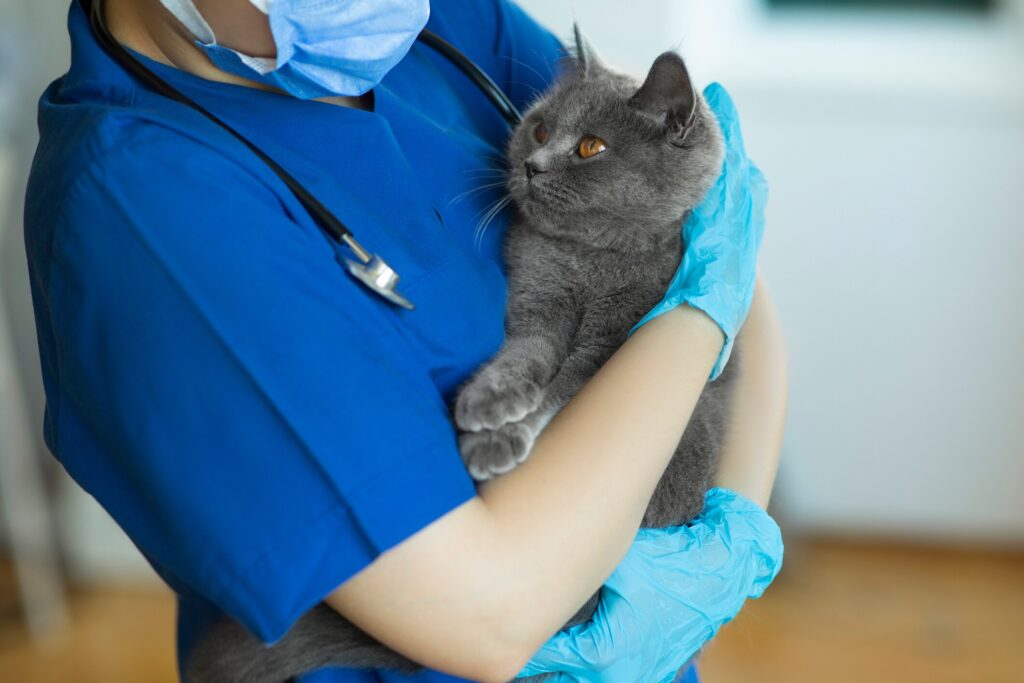
Salmonellosis is a bacterial disease caused by a variety of different species of salmonella, which has approximately 2,000 different types. It’s a common zoonotic disease, meaning that it can be passed from cats to humans and vice versa. In fact, it is one of the most common zoonoses transmissible among animals and people and is a major public health concern all over the world.
Salmonella is also a notifiable disease, which means it needs to be reported by your veterinarian to the state Board of Agriculture and your county’s veterinary officer. This is done to inform and to prevent other animals, and people, from getting this highly contagious condition.
Key Takeaways
- Salmonellosis is a zoonotic bacterial disease, meaning it can spread between animals and humans.
- Salmonella is a gram-negative bacterium, commonly found in the intestinal tract of cats.
- Prevention of salmonella is mainly focused on good sanitary protocols.
What Is Salmonellosis in Cats?
Salmonella is a gram-negative bacterium, which is commonly found in the intestinal tract of cats but can also be found in the blood or other organs of the body. Salmonella in cats can cause many different types of infections, such as an acute or chronic intestinal infection/inflammation (enteritis), or more severe infections such as septicemia (sepsis), a bacterial blood infection.
The most common type of salmonella is where the cat remains healthy with no clinical signs, but still has bacteria in their gut and are contagious to other pets and people.
Salmonella can affect a cat of any age and any breed, but young or much older cats have an immature or weakened immune system that tends to be more susceptible. Cats that are on antibiotics tend to be more at risk of developing signs from salmonella due to the lack of healthy bacteria in their gut.
Can Cats Spread Salmonellosis to Humans?
Humans most commonly get salmonella from consuming contaminated food, but it’s also possible that cats can spread salmonellosis to humans, even if the cat is not currently showing any signs of illness (asymptomatic carrier).
The spread is caused by a human ingesting infected stool or saliva after a cats spreads bacterium into the home. Microscopic bacteria can be left behind after your cat sits on the rug or your bed. You then come into contact with it and become infected.
Proper sanitary protocols such as hand washing can prevent this contagious condition from spreading. Wearing gloves while gardening is also recommended for people who might have community cats in the area.
Can Cats Spread Salmonellosis to Other Animals?
In the same ways people can get salmonella from cats, other pets in the home can get infected by direct contact, or from the animals coming in contact with an infected surface or food.
Cleaning your cat’s litter box with gloves and using products such as bleach can help decrease the spread. If your cat has salmonella, keeping them quarantined until they are healthy is essential.
Causes of Salmonellosis in Cats
Cats get salmonella after coming in contact with infected stool or saliva from other animals. If they kill and eat an animal—or come into contact with something that animal has infected—your cat can contract this condition. It’s most commonly found in cats that eat raw meat, wild birds, or other wild animals.
Risk factors for spreading salmonella are age, compromised immune system, underdeveloped gastrointestinal tract (stomach and intestines), antibiotic therapy, or underlying medical conditions such as inflammatory bowel disease (IBD) or cancer.
Kittens and senior cats are more susceptible due to their immune system differences, and they are the most likely age to show clinical signs of salmonellosis. Antibiotic therapy can leave a cat more likely to get salmonella because the “good bacteria” is killed as well, causing them to be more vulnerable to infection.
If you are concerned that your cat might have salmonella or has come in contact with something or someone that is infected, take them to see your vet as soon as possible.
Cats get salmonella after coming in contact with infected stool or saliva from other animals. If they kill and eat an animal—or come into contact with something that animal has infected—your cat can contract this condition.
Symptoms of Salmonellosis in Cats
Symptoms of salmonellosis in cats include:
-
Licking hind end, odor from hind end
-
Abdominal pain, distended abdomen
-
Lethargy (weakness)
-
Swollen lymph nodes
-
Abortion or infertility
-
Live kittens born may have diarrhea and other gastrointestinal signs
-
-
Vaginal discharge
-
Elevated heart rate (tachycardia)
-
Shock
Signs of chronic salmonellosis:
-
None (asymptotic carrier; most common)
-
Fever
-
Weight loss
-
Blood loss
-
Other infections not related to the digestive system
-
Intermittent diarrhea lasting weeks to months
Symptoms of septicemia (can be present with or with signs above):
-
Fever or hypothermia
-
Dehydration
-
Low blood pressure (hypotension)
-
Yellowing of the skin and other white membranes such as the eyes (jaundice)
-
Vomiting
-
Pale gums
-
Decreased or total loss of appetite
How Do Veterinarians Diagnose Salmonellosis in Cats?
Salmonella in cats is diagnosed using the clinical signs exhibited as well as a positive bacterial culture. A repeat positive culture is diagnostic of salmonella in cats, especially those that do not have any clinical signs, meaning more than one positive test can indicate an infection. A bacterial culture uses a sample of your cat's feces to check for evidence of salmonella.
In cats suspected of being asymptomatic carriers, it can be hard to isolate the bacteria since they shed intermittently, not all of the time, and can also have low numbers of bacteria in the stool, making it hard to capture.
If your cat is suspected to have sepsis, a blood culture can be taken instead to look for salmonella in the bloodstream. If your cat is positive and treated for salmonella, it’s best to repeat the bacterial culture after three to four weeks to confirm they are clear of the infection.
Treatment of Salmonellosis in Cats
Most cats can recover from salmonellosis spontaneously if they only have diarrhea as a symptom. Cats that are more severely affected will require supportive care to treat their other symptoms.
Intravenous fluids are the most common and important treatment to ensure proper hydration and blood pressure. Antibiotics are only used in cats that have life-threatening symptoms or are showing signs of shock or sepsis.
Antibiotics often cause a cat to shed the bacteria for a longer time in their stool, which is why they are avoided if possible.
Other treatments include NSAIDs such as Onsior® or Metacam®, anti-nausea medications such as Cerenia®, and most importantly, mirtazipine, which is an appetite stimulant medication.
In more severe cases, the placement of a feeding tube may be used. Depending on the severity of your cat’s signs, they may need to spend time in the hospital.
Recovery from Salmonellosis in Cats
Recovery from salmonellosis in cats varies depending on symptoms and severity. Cats that are asymptomatic carriers or affected with minor enteritis are likely to recover.
Cats with more severe gastroenteritis have a more guarded prognosis, but they often recover well with aggressive treatment. Cats that develop sepsis have a grave prognosis, as this complication can lead to shock and death.
The recovery process entails not only giving all medications as prescribed, but also rechecking with your veterinarian to see that the bacteria has been eradicated. Until then, it’s best to keep your cat quarantined away from other pets and to use strict sanitary protocols when feeding, cleaning, and during recovery.
A bland or prescription gastrointestinal diet can also be very helpful for cats recovering from any condition that affects the digestive system. Probiotics are also a great way to replenish the “good bacteria” lost during illness.
Prevention of Salmonellosis in Cats
Prevention of salmonella is mainly focused on good sanitary protocols, such as washing your hands and cooking all meat to the appropriate temperature.
Do not allow your cats to sit on the kitchen counter or dining tables, in the sinks, pantry, or other areas where food is stored and prepared.
For community cats, keep an eye out to see if they are eating wild animals, especially birds. These cats should also not have access to areas of the barn or stables where food is stored for other animals.
Wash your cat’s dishes separately and use a different brush or cloth.
Salmonellosis in Cats FAQ
How can you treat salmonella in cats at home?
Cats that are minimally infected or those that are asymptomatic carriers can be treated at home. Often, no medications are needed or only minimal oral medication to treat symptoms.
Make sure your cat is eating and drinking well and take proper precautions to lower the risk that other pets or you get infected with salmonella.
How long does salmonella last in cats?
Salmonellosis in cats needs to be treated for at least six days and up to a few weeks, depending on the severity of clinical signs and for the bacteria to clear their system.
Featured Image: Eplisterra/iStock / Getty Images Plus via Getty Images