Intestinal Viral Infection (Rotavirus) in Cats

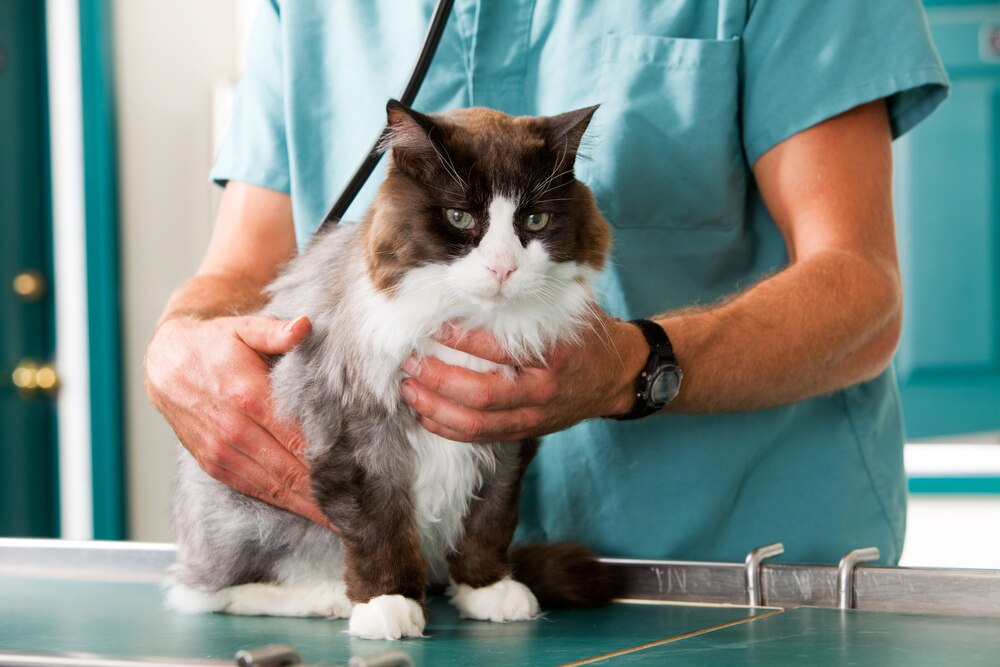
Rotavirus Infections in Cats
The rotavirus is a double-stranded, wheel-shaped RNA virus which causes inflammation of the intestines and in severe cases, dysfunction in the intestinal walls. This virus is the leading cause of diarrhea and gastrointestinal upset in cats. And although it can be seen in cats at any age, kittens are more prone to rotavirus infections.
Dogs are also susceptible to rotavirus infections. If you would like to learn more about how this disease affects dogs, please visit this page in the PetMD health library.
Symptoms and Types
The primary symptom of a rotavirus infection is mild to moderate watery diarrhea. In severe cases, cats may die from dehydration, extreme weight loss, and/or an unwillingness to eat.
Causes
The rotavirus is typically transmitted through contact with contaminated fecal matter. Cats with underdeveloped or weak immune systems and those living in overly stressed environments are most at risk for the infection.
Diagnosis
Your veterinarian will try to rule out the following causes for intestinal inflammation before diagnosing rotavirus: feline parvovirus, feline leukemia virus (FeLV), feline coronavirus, feline astrovirus, and feline calicivirus. Other causes for inflammation of the intestine may include fungal infections, parasites, allergies, or exposure to toxins.
Lab tests to detect the virus may include laboratory examination of tissue samples, or microscopic exploration of feces. One such test is ELISA (or enzyme-linked immunosorbent assay), a biochemical technique. Your veterinarian may also be able to identify the virus using a technique called virus isolation.
To formally diagnose rotavirus, a veterinarian will examine the intestinal villi (the small hairs lining the intestine) and other cells within the intestinal wall, using special instruments to detect the rotavirus and antibodies the virus may have produced.
Treatment
Once the rotavirus is formally diagnosed, your veterinarian will begin treatment to ensure a prompt recovery. Treatment involves symptomatic relief to relieve the cat's diarrhea and to help replace lost fluids and electrolytes. Your doctor will also advise temporary dietary restrictions to help alleviate some of your cat's intestinal discomfort.
Antibiotics are generally not prescribed because they are only useful for bacterial, not viral infections.
Living and Management
Because rotaviruses are zoonotic, it is important that pet owners keep infected cats away from young children, infants in particular. When handling the fecal matter of an infected animal, it is especially important to use precautions, such as wearing latex gloves and disinfecting the animal's living area.
Humans living in developing countries are most at risk, often experiencing life-threatening diarrhea. Estimates suggest that in developing countries up to 500,000 children under age five die every year from rotavirus infections.
Prevention
The best protection for a kitten is to consume the milk of an immune cat queen, as they produce antibodies that may protect against the rotavirus.
Image: Tyler Olson via Shutterstock