Stomach and Intestinal Cancer (Leiomyosarcoma) in Cats

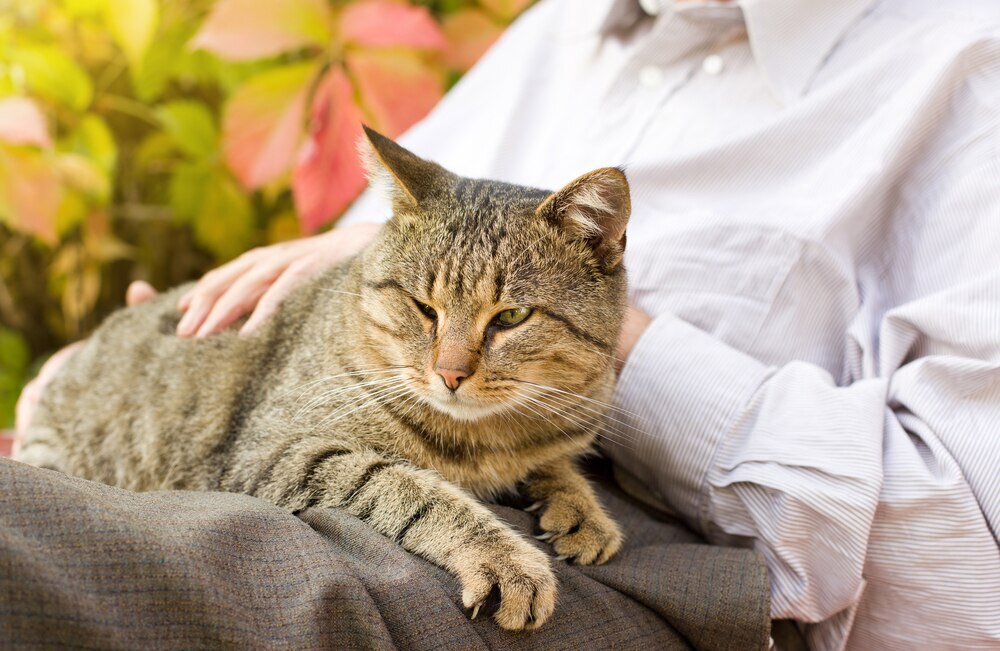
Leiomyosarcoma of Stomach, Small and Large intestine in Cats
Leiomyosarcoma is an uncommon cancerous tumor, which, in this case, arises from the smooth muscles of the stomach and intestines. This extremely dangerous and painful disease affects mostly older cats (more than six years old), though all breeds are equally predisposed to leimyosarcoma. Moreover, the cancer has a tendency to metastasize to other sites in the gastrointestinal tract and other body organs.
Symptoms and Types
Most symptoms are related to gastrointestinal tract, including:
- Vomiting
- Diarrhea
- Weight loss
- Blood in stool (hematochezia)
- Gas (flatulence)
- Stomach growling, or rumbling sound (borborygmus)
- Feeling of incomplete defecation (fenesmus)
Causes
The exact cause for this cancer is currently unknown.
Diagnosis
You will need to give a thorough history of your cat’s health, including the onset and nature of the symptoms. He or she will then perform a complete physical examination, as well a biochemistry profile, urinalysis, and complete blood count (CBC) — the results of which are usually within normal ranges. However, in some cats with advanced forms of the disease, few abnormalities, including anemia, abnormally highly number of white blood cells (leukocytosis), and abnormally low glucose levels (hypoglycemia) may be noted. Other diagnostic procedures include abdominal X-rays and ultrasounds, which help to identify changes in the stomach and intestinal walls, such as thickening of the wall. Contrast radiography, meanwhile, is used to enhance visualization of tissue and improve localization of the tumor.
Endoscopy is another valuable tool for direct visualization of the affected areas. This is performed with an endoscope, a rigid or flexible tube inserted into the esophagus down to the stomach and intestines. As well as visually inspecting the region, the veterinarian will remove a sample of the affected area (stomach and/or intestine) for biopsy to confirm diagnosis.
Treatment
Surgery remains the treatment of choice, which involves resection of the tumor mass along with some normal tissue. However, the extent of metastasis (such as in the liver) is a critical factor for final prognosis.
Living and Management
In cases of metastasis to other body organs, prognosis is very poor, where survival may only be a few months. Surgery may improve survival rates in some animals, but will require complete removal of the tumor mass. Following the surgery, you will have to take your cat for routine checkups, X-rays, and abdominal ultrasound every three months. Some cats may also require special, easily digestible diets, as well as painkillers to alleviate soreness. Strictly adhere to the veterinarian's guidelines watch for recurrence of vomiting, diarrhea, abdominal distention, and abdominal pain in the cat.


