Pit Viper Bite Poisoning in Cats


Summary
Pit vipers stand out as some of the most beautiful, venomous, and menacing snakes in the world. This group of snakes, also known as the crotalinae species, includes rattlesnakes, cottonmouths (or water moccasins), and copperheads.
Rattlesnakes are most commonly found in the western United States and are known to inhabit dry environments such as deserts and beaches. They are the largest of the venomous snakes in the US, and the western diamondback rattlesnake is the most dangerous.
Copperhead snakes live primarily in the Southeast and are found in forests and other wooded areas. Cottonmouths are also most often found in Southeast states, from Virginia to Florida and eastern Texas, usually in swamps, ponds, and other murky waters.
Pit vipers have long, hollow, jointed fangs. When they strike, they inject venom and quickly pull back. This venom can be deadly, and although pit viper bites are more common in dogs, cats can certainly fall victim as well. Any venomous snake bite, including those by pit vipers, is a medical emergency requiring examination and treatment by your cat’s veterinarian or an emergency veterinarian as soon as possible.
Summary
Symptoms of pit viper toxicity in cats can take 24–48 hours to appear after the snakebite. The most common symptoms associated with pit viper poisoning in cats include:
-
Extreme pain and swelling at the site of the bite
-
Swelling that spreads outward from the bite site, causing severe tissue damage
-
Bruising with dead skin peeling at the bite site
-
Dark, bloody fluid draining from the bite site
-
Nausea, drooling, vomiting
-
Diarrhea
-
Pale gums
-
Blood in the urine
-
Dilated pupils
-
Weakness, depression, lethargy
-
Shallow or labored breathing
-
Elevated heart rate
-
Low blood pressure
-
Muscle twitching (after a bite by a neurotoxic rattlesnake)
-
Shock
Causes
Not all pit viper bites inject venom, but when they do, the consequences can be deadly. The toxicity resulting from the venom of a pit viper snake depends on factors such as the size of the snake, the location of the bite, and the amount of venom injected. Due to their small size and proximity to the ground, cats are particularly vulnerable to the lethality of pit viper bites, even when a small quantity of venom is injected. This venom mainly affects the blood, a condition referred to as hemotoxicity.
Pit viper venom has several detrimental effects, including destroying a cat’s red blood cells, preventing blood clotting, and causing blood vessels to leak, leading to internal bleeding and organ damage. Pit viper bites also cause extensive tissue death. Certain species of rattlesnakes also possess neurotoxic properties, which means the venom can have potentially lethal impacts on a cat’s nervous system.
What Does a Pit Viper Look Like?
Pit vipers are identifiable by their distinctive features, which include vertical slit-like pupils, a triangular head, and a wide, fatty body. Most notably, they have pits on their face between their eyes and nostrils, which help sense heat. Adult pit vipers typically measure between two and six feet long.
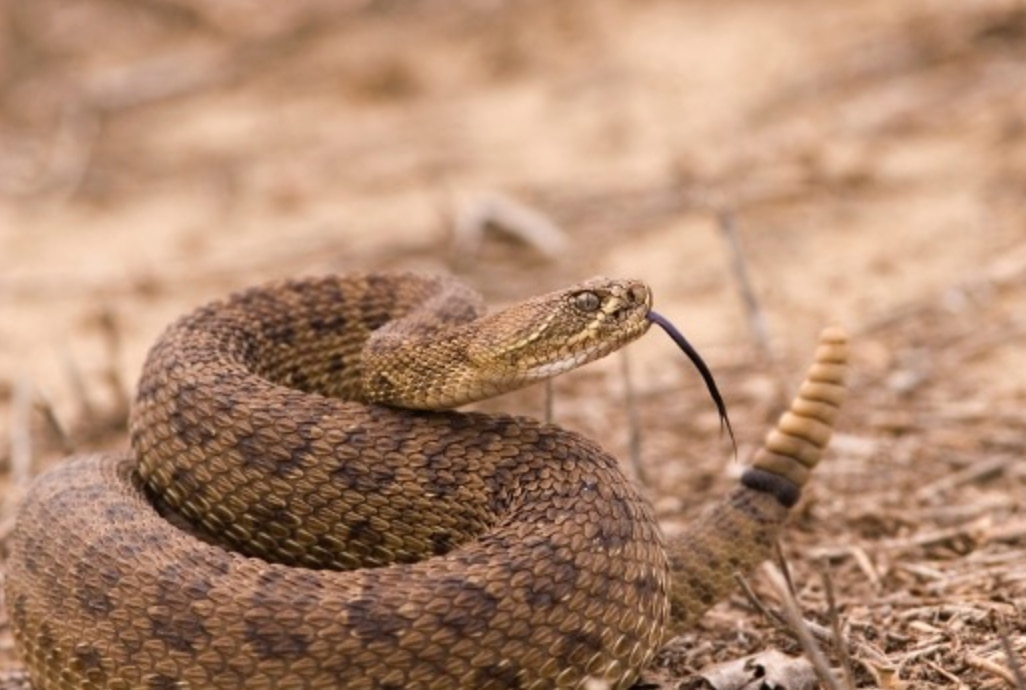
Rattlesnakes are most often identified by their characteristic hollow scales at the tip of their tail, which emit a rattling sound reminiscent of a baby’s rattle when shaken. Depending on the species, rattlesnakes can be gray, black, brown, dark green, or yellow, with patterns including bands, diamonds, or spots.
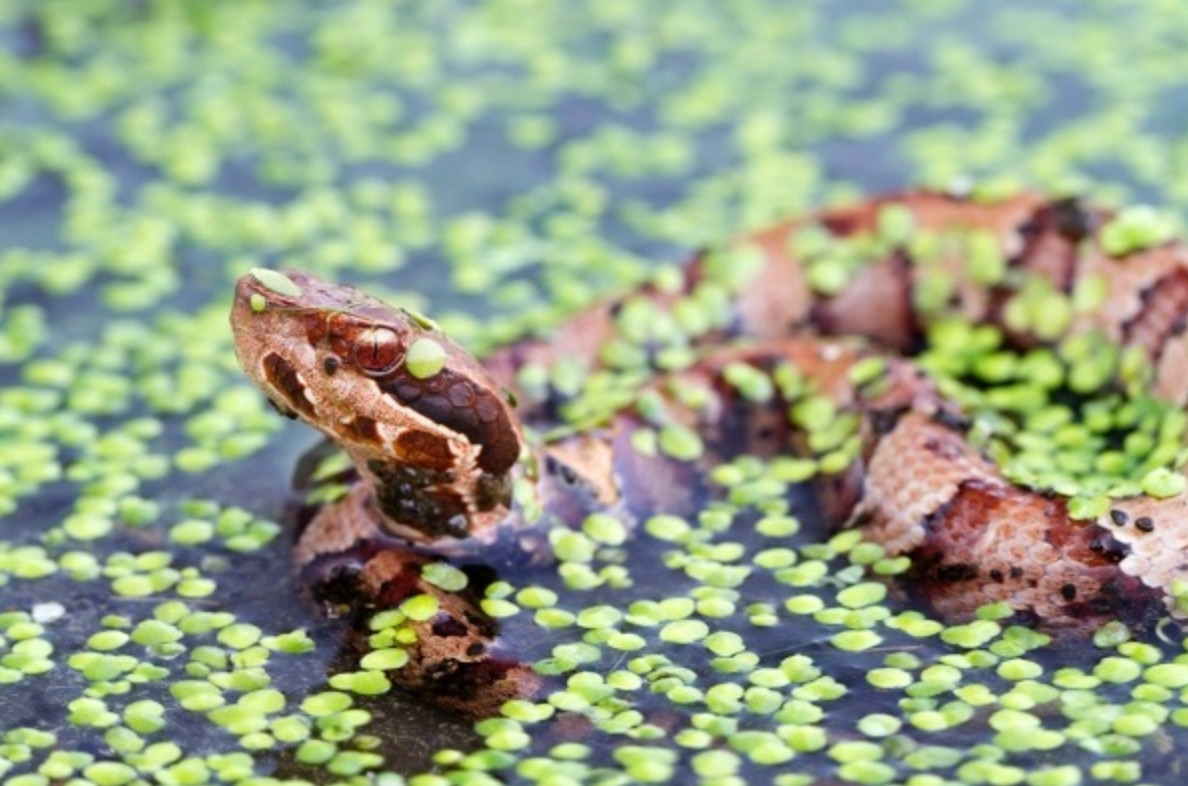
A notable characteristic of cottonmouth snakes is their thickness. As they mature, their coloration tends to become darker and more uniform compared to the vibrant patterns found in young cottonmouths. Juvenile cottonmouths display bright patterns and have a yellow-tipped tail. Cottonmouths get their name from their strikingly white mouth. They have alternating dark and light band patterns.
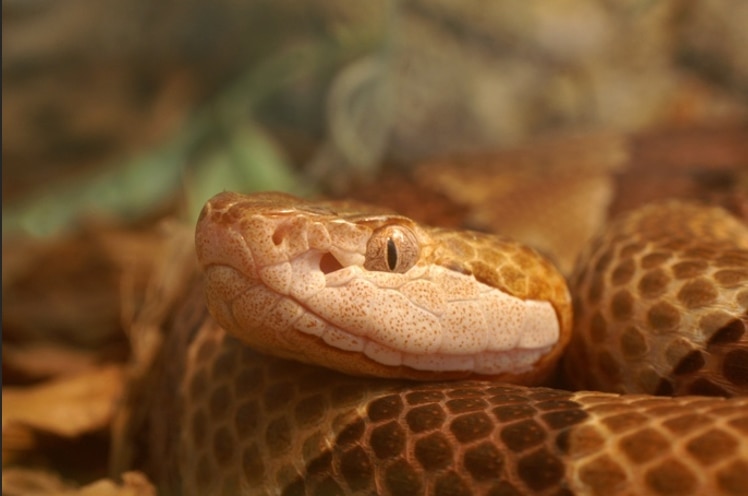
Copperhead snakes get their name from their dark brown or copper coloring, with lighter brown hourglass markings and a beige underside.
My Cat Was Bitten by a Pit Viper. What Do I Do?
If your cat has been bitten by a pit viper, immediately take them to their veterinarian or the closest veterinary emergency room. Refrain from attempting any first aid measures at home and avoid using hot or cold packs on the bite wound. On the way to the vet, keep your cat as calm and quiet as possible. Excitement and heightened activity can cause more venom to be absorbed into the bloodstream.
If the snake has been killed and it is possible, take the snake carcass to the vet’s office to aid in its accurate identification. Alternatively, taking a photo of the snake is highly recommended. Whatever you do, exercise extreme caution to prevent being injured yourself.
Treatment
Pit viper antivenom treatment is most effective if administered within six hours of the bite. Antivenom is the only treatment capable of counteracting the effects of the snake venom. It also aids in managing the pain associated with pit viper bites.
Additional treatment for pit viper bites is supportive care, addressing the signs and symptoms that your cat develops. Proper wound care and preventing secondary bacterial infections from the bite or contamination are extremely important.
Your cat should be monitored by their vet for at least 24 hours after the snake bite, tracking the progression of clinical signs. Antibiotics should be given until the wounds are fully healed. Managing the blood’s clotting ability is also crucial and often includes a blood transfusion.
Additional intensive treatments such as IV fluids, steroids, and pain medication are also administered. Mortality rates are higher in cats bitten on the chest or abdomen compared with those bitten on the head or legs.
Recovery and Management
Clinical signs of pit viper poisoning can last for up to 10 days. If your cat’s condition is stable enough to return home in this time frame, they will likely need to be on antibiotics and pain medication and have daily wound care.
Preventing pit viper bites involves keeping your cat away from environments where snakes are prevalent. Indoor cats face a lower risk of snake bites compared to outdoor cats. Because snakes are more active in warmer temperatures, exercise caution during the summer months if your cat spends time outdoors.
Featured Image: iStock.com/to_csa


