Hypokalemia in Cats


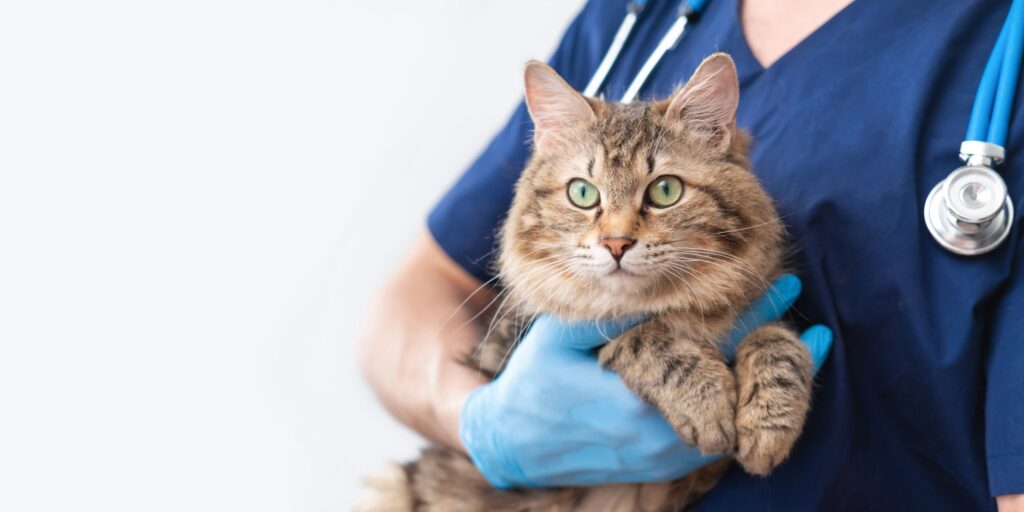
YanaVasileva/iStock / Getty Images Plus via Getty Images
Summary
Hypokalemia in cats is the medical term for low levels of potassium in the blood. Potassium is an electrolyte that is important for many of your cat’s essential life functions, from sending signals between nerves to maintaining your cat’s heartbeat.
Small changes in potassium levels can have significant impacts on the function of your cat’s muscles and nerves. Cats with hypokalemia often act weak and fatigued, and they may hang their head downward. Hypokalemia causes muscle pain and weakness, which is uncomfortable for cats.
Significant elevations in potassium are life-threatening. While studies haven’t established a relationship between low blood potassium levels and mortality in cats, some of the conditions that cause hypokalemia can be fatal.
If you are concerned that your cat has hypokalemia, call your veterinarian immediately.
Symptoms
Symptoms of hypokalemia in cats include:
-
Muscle weakness, potentially muscle paralysis
-
Limb pain
-
Head hanging downward (limp neck)
-
Acting fatigued or mentally dull
-
Drinking and urinating a lot (polydipsia and polyuria)
-
Abnormal heart rhythm
Keep in mind that hypokalemia often occurs secondary to another condition, so your cat could have other symptoms related to the main cause.
Causes
Hypokalemia in cats usually occurs due to a loss of potassium that happens alongside another health condition. Causes that fall under this category include:
-
Chronic kidney disease (CKD)
-
Hyperaldosteronism due to abnormal growth of adrenal glands (rare)
It’s possible for cats to have hypokalemia due to low potassium intake, such as if they’re starved or fed a diet low in potassium. Always feed your cat appropriate amounts of a balanced diet formulated for cats. If your cat has a poor appetite or isn’t eating, contact your veterinarian.
A cat of any breed or age can develop hypokalemia, but some of the potential causes are more common in specific ages or breeds of cats. For example, hypokalemia due to CKD is more common in senior cats.
One hereditary condition caused by a genetic mutation is called hypokalemic periodic polymyopathy, and is more common in these cat breeds:
Diagnosis
Diagnosis of hypokalemia requires a blood sample. The normal blood tests that your veterinarian runs usually include potassium levels. If your cat’s potassium level is lower than normal (3.5 mEq/L), they will be diagnosed with hypokalemia.
Additional diagnostics might include urinalysis (testing urine) or imaging to try to figure out what is causing the low potassium. Other electrolyte levels, such as sodium and chloride, will be looked at as well.
Share with your veterinarian if you’ve noticed any of the following:
-
Your cat is drinking more water than usual.
-
Your cat is peeing more than usual or having accidents.
-
Your cat has been vomiting.
-
Your cat is having diarrhea.
-
Your cat hasn’t been eating or is uninterested in food.
Treatment
Treatment of hypokalemia in cats will focus on the underlying cause.
For example, a cat with chronic kidney disease should go on a kidney diet and may need additional fluid supplementation. A cat with hypokalemia due to chronic vomiting should have the cause of vomiting diagnosed and treated, but when it comes to the hypokalemia itself, your veterinarian can supplement potassium to increase your cat’s levels.
In severe cases or when your cat is acutely ill, this can include adding potassium to fluids given intravenously (IV). If your hypokalemic cat is hospitalized, this is a common way to supplement potassium.
If your cat has a chronically low potassium, your veterinarian may recommend supplementing additional potassium orally.
Potassium gluconate in the form of a gel or powder is common. Your veterinarian will tell you how much and how often to give potassium gluconate, but it’s usually two to three times per day.
Recovery and Management
Some cases of hypokalemia in cats will resolve as the cat recovers from the underlying cause. For example, a cat who is hypokalemic from vomiting will usually return to normal potassium levels once they stop vomiting and start eating a normal, healthy diet.
Outside of managing the cause, you may not need to take any extra steps. While your cat is in the hospital, their potassium levels may be measured several times a day.
However, some cases of hypokalemia will require lifelong management. For instance, a cat with chronic kidney disease will be on a renal diet and may need potassium supplementation for life. While your cat’s potassium levels may return to normal with supplementation, frequent rechecks will be needed and hypokalemia will develop again if you stop the supplements.
Prevention
To prevent hypokalemia, seek veterinary attention for chronic vomiting or diarrhea. Keep your cat on preventives to protect them from parasites that could cause vomiting or diarrhea.
Take your cat to their regular wellness exams, which should include lab work if recommended by your veterinarian. Young and mature adult cats should see their veterinarian at least once a year, while senior cats should see the veterinarian at least twice annually.